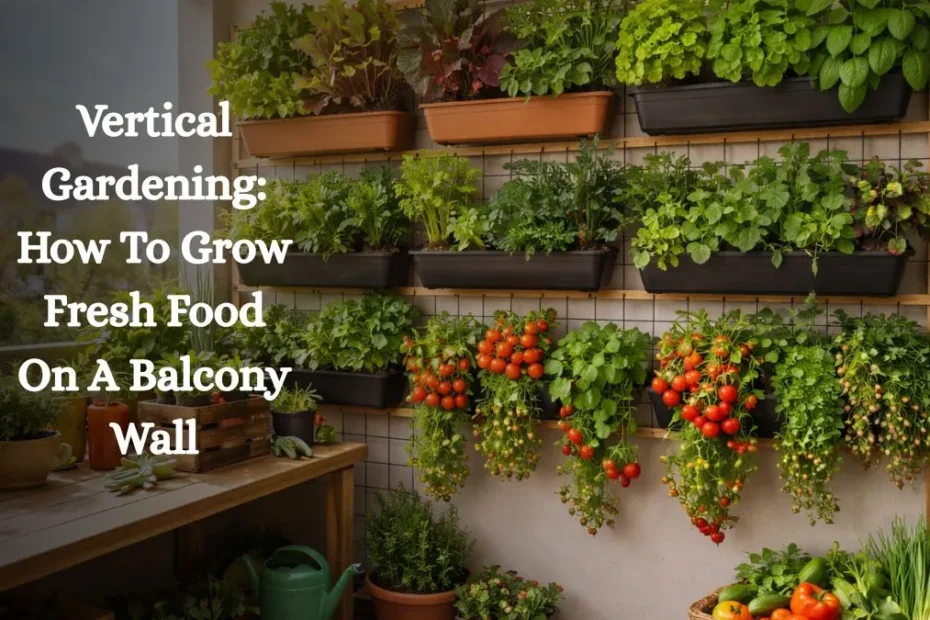
Have you ever imagined transforming your tiny balcony into a thriving, green food haven? You don’t need a big backyard to grow your own vegetables and herbs. With vertical gardening, even a small wall can become a productive, beautiful source of fresh food.
Across cities worldwide, urban gardeners are proving that limited space doesn’t mean limited harvest.
Let’s explore how you can turn your balcony wall into a flourishing edible garden.
Why Vertical Gardening Is A Smart Choice
Many people believe growing vegetables requires large garden beds and wide open spaces. But vertical gardening systems challenge that idea completely. By growing plants upward instead of outward, you maximize every inch of available space.
Key Benefits Of Vertical Gardening
- Saves valuable floor space
- Makes better use of available sunlight
- Helps reduce pests and soil-borne diseases
- Keeps plants organized and accessible
Experts agree that vertical gardens can completely transform small balconies into efficient, green-growing zones.
Choosing The Perfect Balcony Wall
Before setting up your balcony vegetable garden, you need to select the right location.
Look For These Features:
- A wall that receives 4–6 hours of sunlight daily
- South-facing or west-facing walls for best exposure
- Strong structure if using heavy planters
- Easy access to water supply
- Protection from strong winds
Proper planning at this stage prevents future problems and ensures your plants grow healthy.
Best Vertical Gardening Systems To Try
You don’t need expensive equipment to get started. There are several easy and budget-friendly vertical garden ideas available.
1. Hanging Pocket Planters
Fabric or felt pocket organizers hang against the wall and work wonderfully for herbs and leafy greens.
2. Wall-Mounted Planters
Stacked pots or mounted trays designed specifically for vertical use.
3. Pallet Gardens
Recycled wooden pallets can hold small pots or even soil directly for planting compact vegetables.
4. Trellises And Wire Grids
Perfect for climbing plants like beans, peas, and compact tomatoes.
Most gardening professionals recommend beginning with a simple setup. Once you gain confidence, you can expand your vertical garden.
What Can You Grow On A Balcony Wall?
You might be surprised at how much food you can grow vertically. The key is choosing plants with shallow roots and compact growth habits.
Best Plants For Vertical Gardening
Herbs
- Basil
- Mint
- Parsley
- Cilantro
- Chives
Salad Greens
- Lettuce
- Spinach
- Arugula
- Microgreens
Fruits
- Strawberries (especially trailing varieties)
Climbing Vegetables
- Peas
- Beans
- Compact varieties of tomatoes
These plants thrive in small containers and adapt well to vertical setups.
Step-By-Step Guide To Setting Up Your Vertical Garden
Creating your balcony wall garden is easier than you think. Follow these simple steps:
Step 1: Secure Your Structure
Attach your chosen system firmly to the wall. Stability is crucial.
Step 2: Use Quality Potting Mix
Fill containers with high-quality potting soil. Avoid regular garden soil, which is too heavy.
Step 3: Plant Carefully
Add seeds or seedlings with enough spacing to allow growth.
Step 4: Water Regularly
Vertical gardens dry out faster than ground beds. Water gently but consistently.
Step 5: Feed Your Plants
Apply liquid fertilizer every two weeks for healthy growth.
Important Tip:
Always ensure proper drainage. Excess water must escape to prevent root rot.
Common Mistakes To Avoid
Learning from others’ mistakes can save you time and frustration.
- Overcrowding plants
- Using weak or poorly installed systems
- Ignoring sunlight requirements
- Inconsistent watering during hot weather
Most vertical gardening issues happen when these basics are overlooked. Keep it simple and monitor your plants regularly.
Why You’ll Love Growing Food Vertically?
There’s something incredibly satisfying about harvesting your own fresh herbs and vegetables right from your balcony.
Advantages Of Balcony Wall Gardening
- Save money on grocery bills
- Enjoy fresher and more flavorful produce
- Add greenery and beauty to your home
- Reduce your environmental impact
Even the smallest balcony can become a productive oasis with the right planning and care. Urban gardening is not just practical—it’s rewarding.
Vertical gardening on a balcony wall proves that limited space is not a limitation—it’s an opportunity. By choosing the right wall, selecting suitable plants, and maintaining proper watering and care, you can grow herbs, greens, strawberries, and even climbing vegetables in compact spaces.
This method not only maximizes sunlight and reduces pests but also adds beauty and sustainability to your home. Whether you are a beginner or an experienced gardener, starting small and expanding gradually can turn your balcony into a thriving edible paradise.
With consistency and attention, your vertical garden can provide fresh, healthy food all season long.
FAQs
1. How much sunlight does a vertical garden need?
Most edible plants require 4–6 hours of direct sunlight daily. South or west-facing walls are ideal.
2. Do vertical gardens require more watering?
Yes. Since containers are smaller and exposed, they dry out faster than ground beds. Regular watering is essential.
3. What is the easiest plant to grow in a vertical garden?
Herbs like basil, mint, and lettuce are beginner-friendly and grow well in vertical systems.
Related Posts