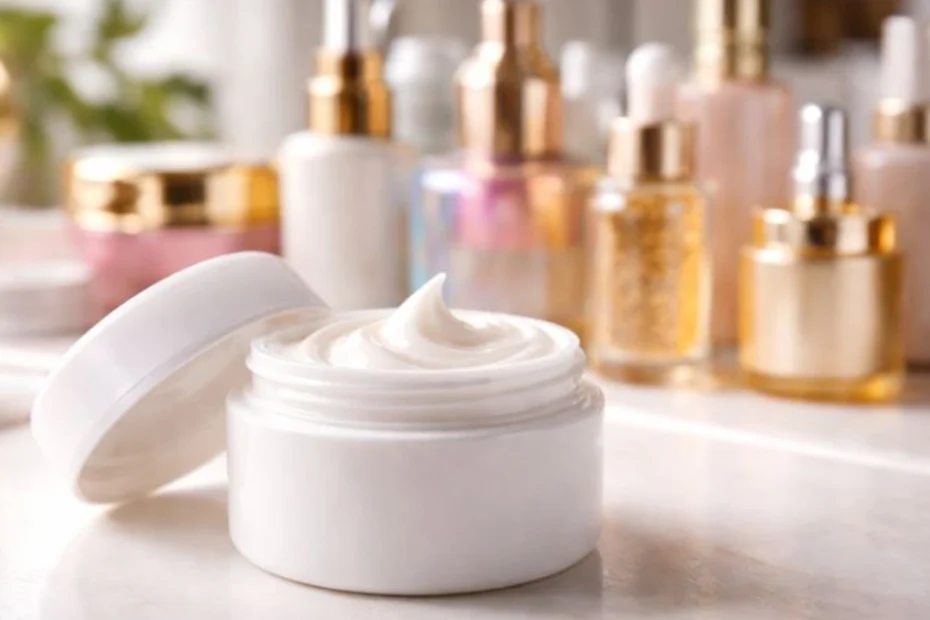
Old-School Moisturizer: When it comes to skincare, most people think expensive products mean better results. Fancy bottles, gold-infused creams, and “advanced” formulas often grab attention. But what if the real solution is something simple, cheap, and honestly… a bit boring?
That’s exactly what happened to Sarah. After trying multiple high-end products that irritated her skin, her dermatologist gave her unexpected advice: buy a plain, basic moisturizer from the drugstore. No luxury branding. No trendy ingredients. Just a simple white tub.
At first, it sounded strange. But within a few weeks, her skin became calm, smooth, and healthy again. This shows a powerful truth—sometimes, simple skincare works better than complicated routines.
Why Simple Moisturizers Work Better
Modern skincare often focuses on complex formulas with dozens of ingredients. These products promise glowing, youthful skin, but they can also cause irritation.
Dermatologists often recommend old-school moisturizer formulas because they focus on what your skin actually needs:
- Hydration
- Protection
- Barrier repair
Unlike trendy creams, these basic products avoid unnecessary ingredients that may harm sensitive skin.
What Experts Say
Many dermatologists agree that less is more when it comes to skincare. Simple products reduce the risk of reactions and help the skin heal naturally.
Key Ingredients in Old-School Moisturizers
Old-school moisturizers may look boring, but their ingredients are powerful and proven. Here’s what makes them effective:
Core Ingredients and Their Benefits
| Ingredient | What It Does |
|---|---|
| Petrolatum | Locks moisture into the skin |
| Glycerin | Pulls water into the skin |
| Ceramides | Strengthens skin barrier |
| No Fragrance | Reduces irritation risk |
| Minimal Preservatives | Keeps formula safe and gentle |
These ingredients are trusted because they have been used safely for many years.
Old-School vs Modern Moisturizers
To understand the difference, let’s compare them clearly:
| Product Type | Average Ingredients | Price Range | Effectiveness |
|---|---|---|---|
| Old-school moisturizer | 5–10 | $5–15 | Very high |
| Mid-range products | 15–25 | $25–60 | Moderate |
| Luxury creams | 25–50 | $80–300 | Often inconsistent |
As you can see, more ingredients don’t mean better results. In fact, they often increase the chances of irritation.
Real Benefits of Switching to Simple Skincare
Many people are now moving toward skincare minimalism. This trend focuses on using fewer, better products.
Why People Love Old-School Moisturizers
- Gentle on sensitive skin
- Helps with conditions like eczema and redness
- Affordable and long-lasting
- Easy to use daily
- Works for all skin types
This approach is especially helpful for people who have tried everything but still struggle with skin issues.
How to Choose the Right Old-School Moisturizer
Choosing the right product is simple if you know what to look for.
Tips for Buying
- Pick products with short ingredient lists
- Avoid anything with fragrance or perfume
- Choose trusted drugstore brands
- Go for thick creams instead of thin lotions
How to Use It Properly
- Apply on slightly damp skin
- Use it right after washing your face
- Apply gently—don’t rub harshly
- Use daily for best results
Consistency is key. Even the best product won’t work if you don’t use it regularly.
Why Expensive Doesn’t Always Mean Better
Luxury skincare brands spend a lot on marketing and packaging. But your skin doesn’t care about branding—it only responds to ingredients.
Simple moisturizers focus on function over fashion. They protect your skin barrier, which is the most important part of healthy skin.
Final Thoughts
In today’s world of complicated skincare routines, it’s easy to believe that more products mean better skin. But the truth is often the opposite. A basic old-school moisturizer can do what expensive creams fail to do—heal, protect, and hydrate your skin without causing irritation.
If your skin feels sensitive, dry, or overwhelmed, it might be time to go back to basics. Start simple. Give your skin what it truly needs.
You may be surprised how something so plain can bring such powerful results. Sometimes, the best solution is not the newest one—it’s the one that has worked quietly for decades.
Related Posts