Winter Bird: Every winter across the United States, millions of people hang bird feeders to help wildlife survive the cold. It feels like a kind and simple act—especially when snow covers natural food sources. But what if one of the most popular bird foods could actually hurt the birds you are trying to protect?
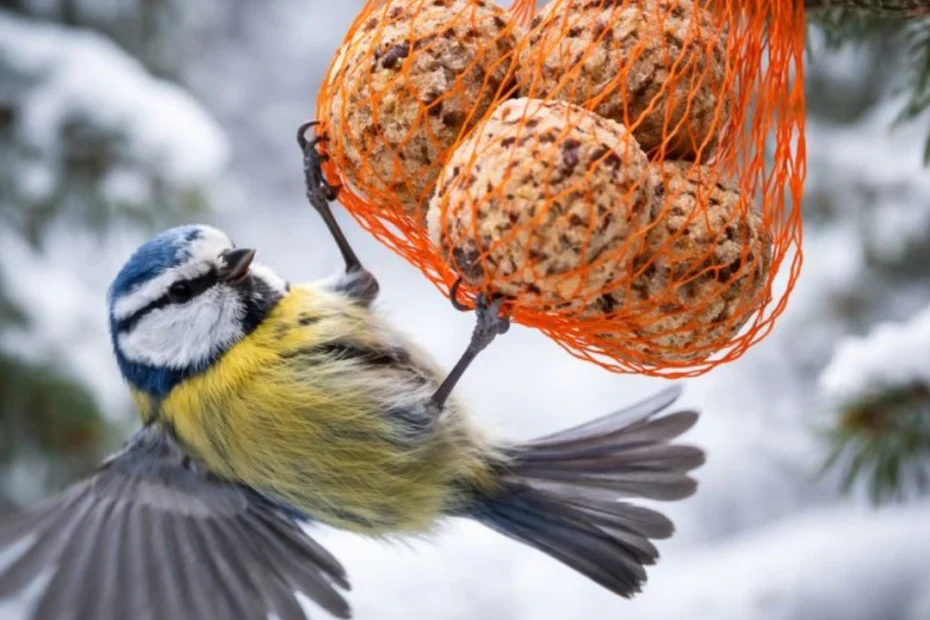
Many American households use fat balls (also called suet balls) to feed birds in winter. They are easy to buy at stores like Walmart or Home Depot. But there is a hidden risk most people do not know about—the plastic net around them. This article explains the problem, the dangers, and how you can safely feed birds in your backyard.
The Hidden Danger in Popular U.S. Bird Feeders
Winter Bird: In the U.S., suet balls are widely used during winter because they provide high energy to birds. However, most of them come wrapped in a thin plastic mesh.
This mesh may look harmless, but it can turn into a serious trap for small birds.
Why Is the Net Dangerous?
- The holes in the net easily catch bird claws
- Birds get stuck while trying to eat
- Panic makes the situation worse
- Birds cannot escape and become weak
The problem is not the food—it is the plastic net covering it.
What Happens When Birds Get Trapped?
Winter Bird: When a bird gets stuck, it usually starts by trying to fly away. But since its claw is trapped, it hangs there and struggles.
Over time, this leads to serious problems.
Common Injuries Seen in U.S. Backyard Birds
| Bird Type (U.S.) | Risk Level | Common Injuries |
|---|---|---|
| Chickadees, nuthatches | High | Leg injuries, claw damage |
| Robins, finches | Medium | Wing strain, stress |
| Larger birds | Low | Minor injuries |
Possible Outcomes
- Broken or twisted legs
- Claws getting torn off
- Wing injuries from flapping
- Extreme stress and fatigue
- Death due to cold weather or predators
Bird rescue groups across the U.S., including National Audubon Society, often warn about these risks.
Why This Mistake Is So Common in America
Winter Bird: This problem happens a lot because most people are not aware of it.
Reasons People Keep Using Netted Suet Balls
- They are cheap and easy to use
- Stores promote them as safe
- Packaging looks friendly and helpful
- People trust ready-made products
Even popular brands sold in big stores do not always clearly explain the risks.
The truth is simple: convenience for humans does not always mean safety for birds.
Safe Alternatives for Winter Bird Feeding in the U.S.
Winter Bird: You can still help birds safely during winter. You just need to change how you feed them.
Safe Feeding Options
- Remove the plastic net before hanging suet balls
- Use a wire cage feeder designed for birds
- Offer sunflower seeds in tube feeders
- Place loose seeds in open trays
- Provide fresh water in shallow bowls
Make Your Own Suet Balls
Winter Bird: Homemade suet is a great option. You can mix:
- Animal fat or lard
- Seeds
- Oats
Place the mixture in a safe feeder instead of wrapping it in netting.
How Safe Feeding Helps U.S. Backyard Birds
When you switch to safer methods, your backyard becomes a better place for birds.
Benefits of Safe Feeding
- Birds eat without fear or injury
- More birds visit your yard
- Birds stay healthy in cold weather
- You enjoy better birdwatching
Safe feeding supports birds like chickadees, cardinals, and woodpeckers during harsh winters in states across the U.S.
Conclusion
Feeding birds in winter is a wonderful way to support wildlife, especially in the United States where winters can be harsh. However, using suet balls with plastic nets can do more harm than good. Many birds suffer injuries simply because people are unaware of the danger.
The good news is that this problem is easy to fix. By removing the net or switching to safe feeders, you can protect birds while still helping them survive. Small changes in your backyard can make a big difference. If you truly care about birds, choose safe feeding methods and turn your garden into a place where wildlife can thrive without risk.
Related Posts